
Where Should Grab Bars Be Placed in the Bathroom? Senior Safety Guide
Learn where to place grab bars in the bathroom for senior safety. Reduce fall risk with proper shower and toilet grab bar placement tips.
David George
2/24/20264 min read
Many bathroom falls don’t happen because there isn’t a grab bar — they happen because the grab bar isn’t in the right place.
When balance shifts suddenly, your hand reaches instinctively for support. If nothing solid is there, or if the bar is too far away, that moment can turn into a dangerous fall.
The good news is that proper grab bar placement is simple once you know where support matters most. In this guide, we’ll walk through the safest locations for grab bars in the shower, near the toilet, and at key transition points so your bathroom supports safe, confident movement every day.
👉 Start with the Complete Bathroom Safety Guide
The Three Moments Grab Bars Matter Most
Bathroom safety isn’t about covering every wall with bars. It’s about protecting the three movements where balance changes:
Stepping in or out of the shower
Standing up from the toilet
Turning or shifting on wet flooring
Place support at these moments, and you dramatically reduce fall risk.
Best Grab Bar Placement in the Shower
Inside the shower, stability matters during both entry and movement.
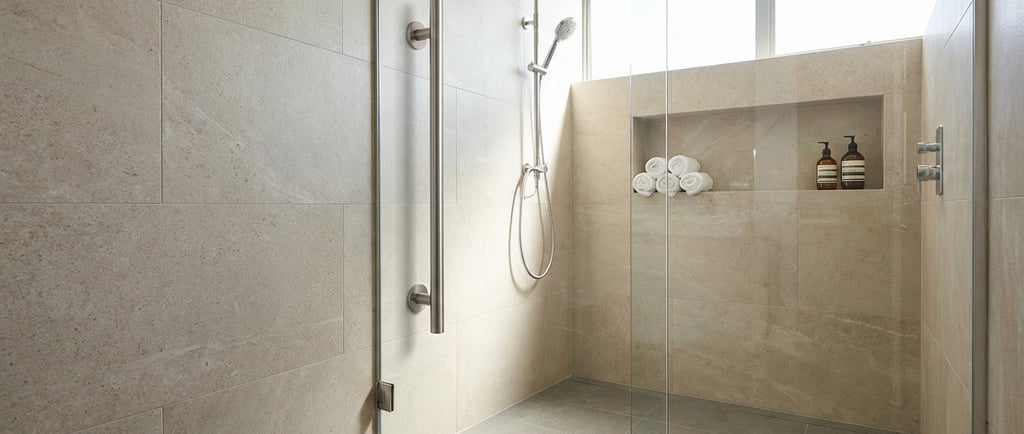
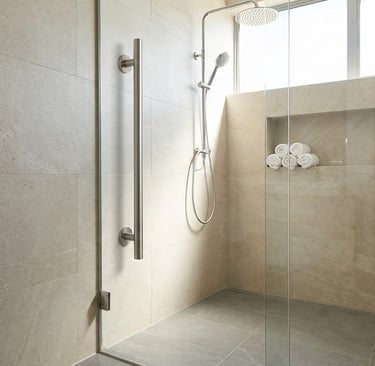
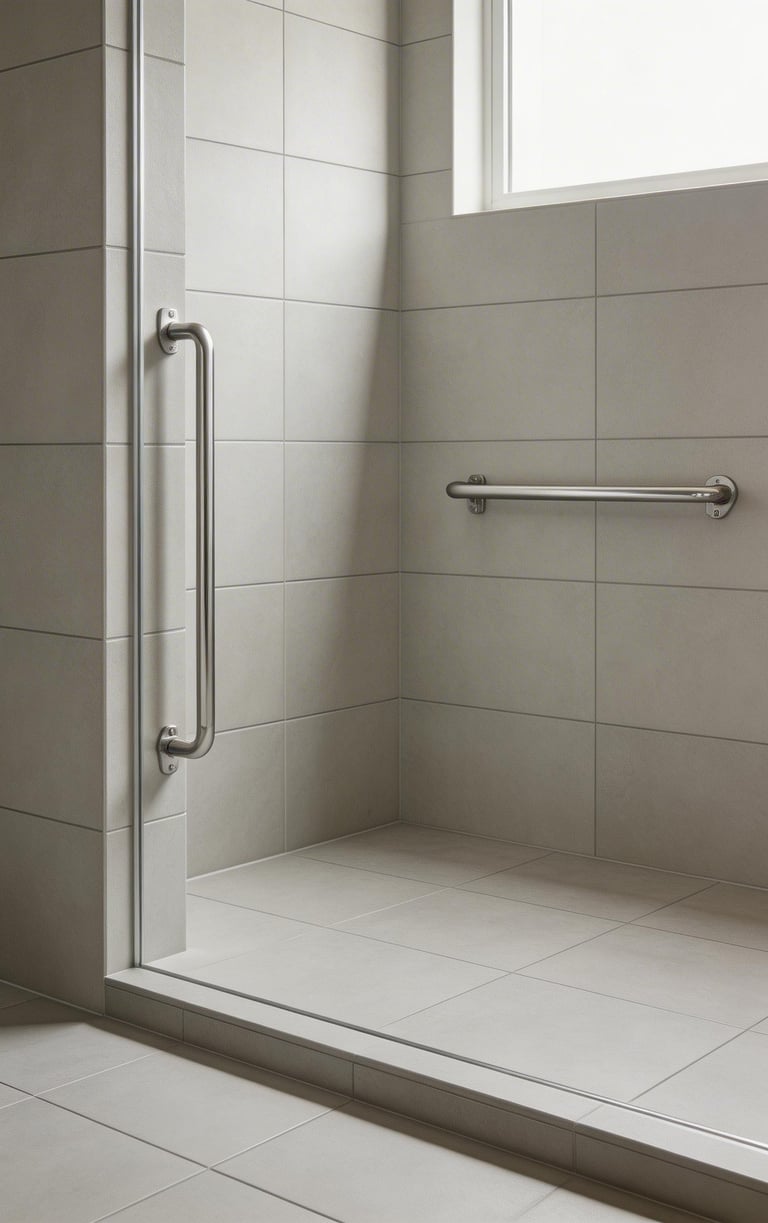
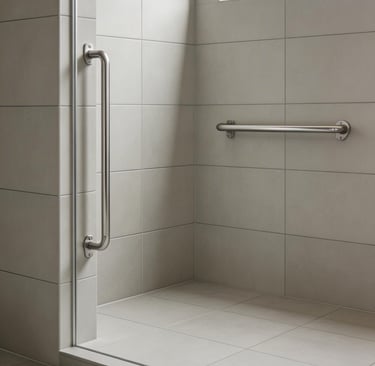
Vertical entry bar
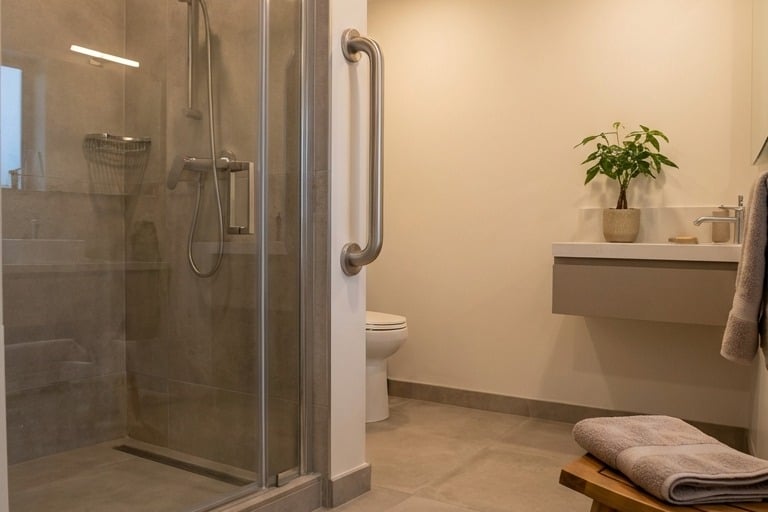
Install a vertical grab bar just inside the shower entrance.
This helps steady the body when stepping in or out — the highest-risk transition.
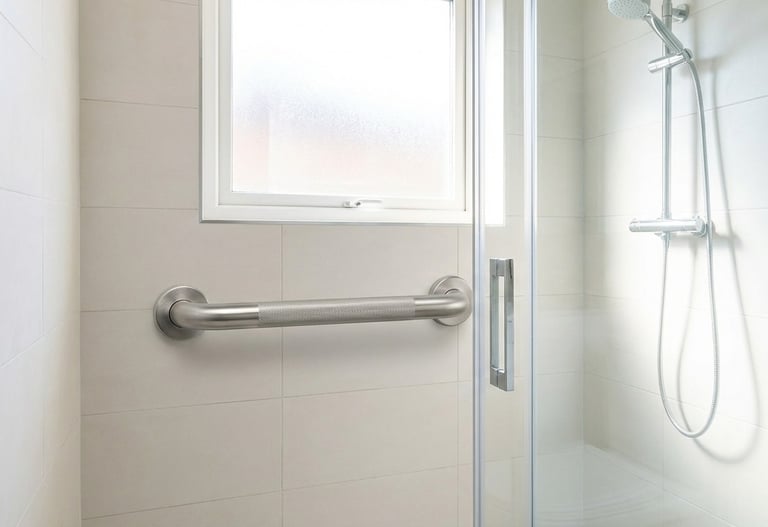
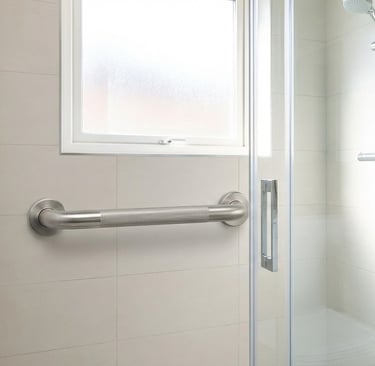
Horizontal stability bar
Place a horizontal bar along the shower wall at about waist height.
This provides support while standing, washing, or adjusting footing.
👉 For help choosing safe models, see:
Best Grab Bars for Seniors
Where to Place Grab Bars Near the Toilet
Standing from the toilet requires both strength and balance.
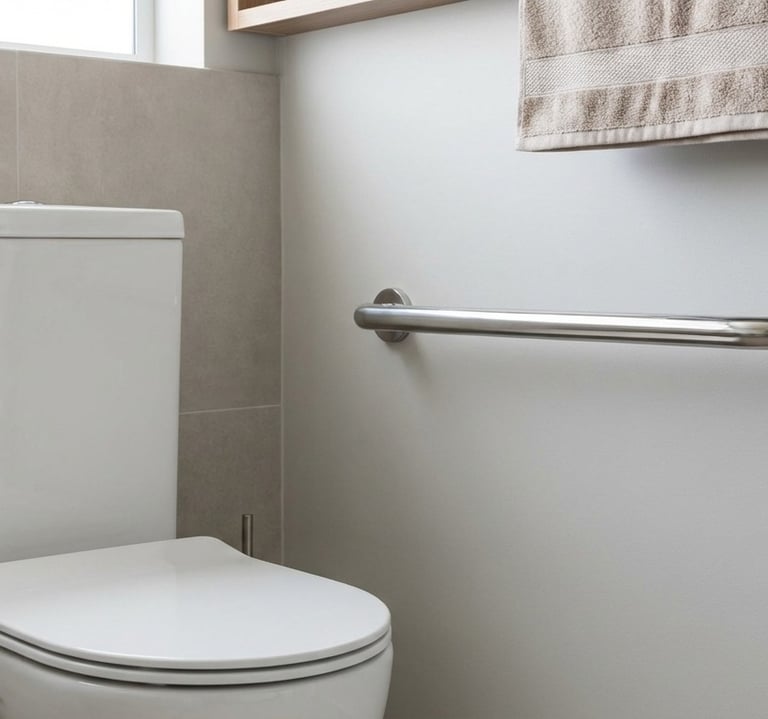
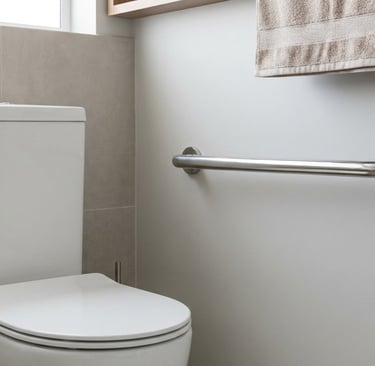
Side support bar
Install a horizontal grab bar beside the toilet, about arm height when seated.
This gives leverage when pushing upward.
Optional second bar
If space allows, placing a bar on the opposite wall adds extra stability and confidence.
Don’t Forget Transition Zones
Some of the most dangerous moments happen between fixtures, not at them.
Consider a grab bar:
Outside the shower exit
Along the wall near the bathroom entrance
Anywhere footing may be slippery
Pairing this with a reliable non-slip landing zone reduces risk even further.
👉 See which mats actually prevent slips: Best Non-Slip Bathroom Mats for Seniors
Installation Matters More Than Style
A grab bar only works if it’s properly installed.
Safe grab bars should:
Be anchored securely into wall studs
Support full body weight
Feel solid with no movement
Avoid relying on towel racks or decorative handles — they aren’t built to hold weight in an emergency.
Simple Bathroom Safety Check
Stand in your bathroom and ask:
If I slipped here, what would I grab?
Is that support strong enough?
Is it exactly where my hand would reach?
If not, that’s where a grab bar belongs.
For a full step-by-step assessment:
👉 Download the free printable bathroom safety checklist here
Frequently Asked Questions About Grab Bar Placement
Where should grab bars be placed in a bathroom for seniors?
Grab bars should be installed at the key balance points: inside the shower entrance, along the shower wall for stability, beside the toilet for standing support, and near any slippery transition areas.
What height should grab bars be installed?
Most grab bars are installed between 33 and 36 inches from the floor, but the best height depends on the user’s reach and comfort. Bars should feel natural to grab without stretching or bending.
Should grab bars be vertical or horizontal?
Both can be useful.
Vertical bars help when stepping in or out of the shower.
Horizontal bars provide stability for standing, sitting, and movement.
Many bathrooms benefit from using both types.
Can suction grab bars be used instead of mounted bars?
Suction grab bars may help with temporary balance, but they should never be relied on for full body weight. Permanent wall-mounted grab bars anchored into studs are the safest option.
How many grab bars should a bathroom have?
There’s no fixed number. The goal is to provide support at each key movement point. Most safe bathrooms include at least one shower bar and one toilet support bar, with additional bars added as needed.
Do grab bars make bathrooms look medical?
Modern grab bars come in many finishes and styles that match bathroom decor. When installed thoughtfully, they can blend into the design while still providing strong safety support.
CONCLUSION
A grab bar only works if it’s properly installed.
Safe grab bars should:
Be anchored securely into wall studs
Support full body weight
Feel solid with no movement
Avoid relying on towel racks or decorative handles — they aren’t built to hold weight in an emergency.
Choosing a solid, properly installed grab bar makes the biggest difference in preventing bathroom falls.
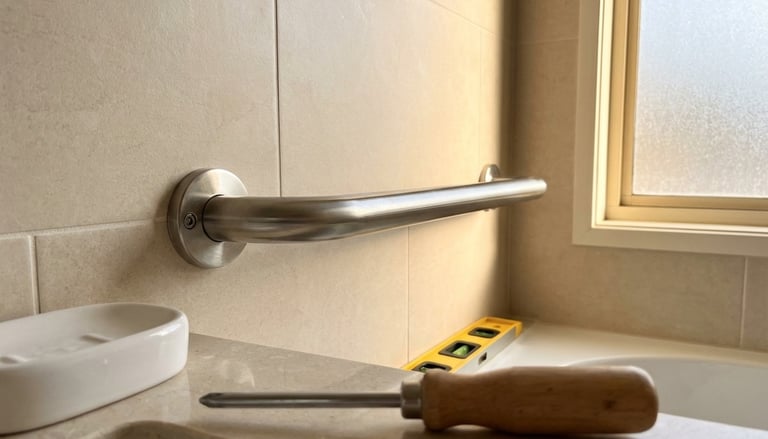
Reliable stainless steel grab bar suitable for showers and toilet areas.
Click Here for Canada: https://amzn.to/4u1FMIo
Click Here fo USA: https://amzn.to/3NcT0RZ
Disclosure: This article may contain affiliate links. If you purchase through them, I may earn a small commission at no additional cost to you.
Recommended Grab Bars for Bathroom Safety
Help
Questions about senior health? Reach out.
Contact
Subscribe
Contact@gyguru.com
© 2025. All rights reserved.