
Best Grab Bars for Seniors: What to Buy (and What to Avoid)
Learn which grab bars are safest for seniors, what materials and sizes work best, where they should be installed, and what to avoid for fall prevention.
David George
2/19/20264 min read
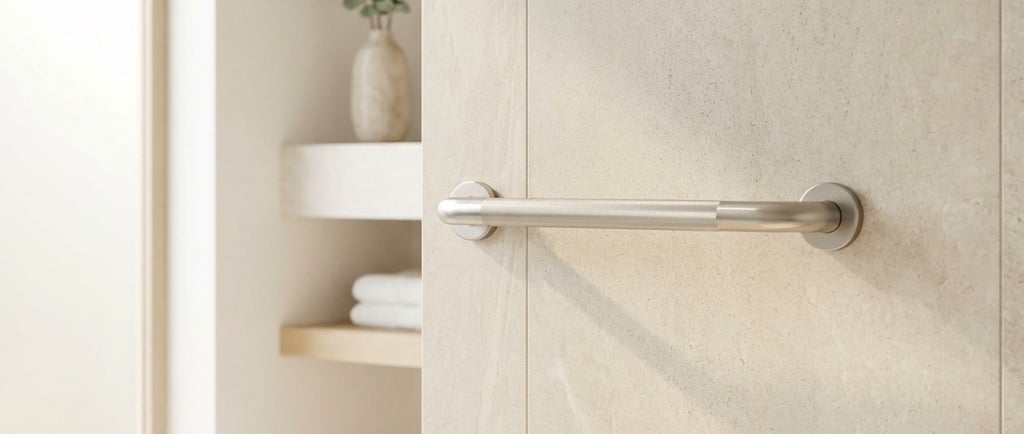
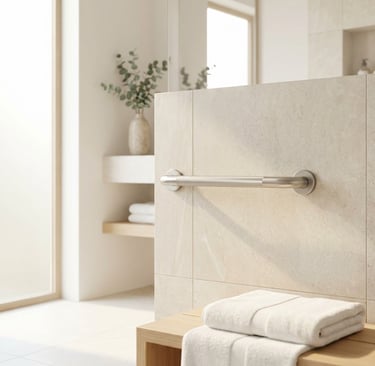
Best Grab Bars for Seniors: What to Buy (and What to Avoid)
Most people don’t install grab bars because they’re “worried” every day. They install them after a moment—one slip, one wobble, one near-fall that makes the heart race. And in the bathroom, those moments don’t give much warning. Wet floors, tight turns, and hard surfaces create a room where a small loss of balance can become a big event.
The good news is simple: a properly installed grab bar can turn a dangerous moment into a steady one. It gives you a reliable point of support during the exact times people tend to lose balance—stepping in and out of the shower, turning while wet, or standing up from the toilet.
Start here: Bathroom Safety for Seniors (Complete Fall-Prevention Guide)
The most important truth about grab bars
A grab bar is only as safe as two things:
the bar itself, and
how it’s installed
A beautiful-looking bar that isn’t securely mounted can fail at the exact moment you need it most. That’s why this guide focuses on what actually matters in real homes—not just what looks good online.
What to buy: the grab bar features that matter most
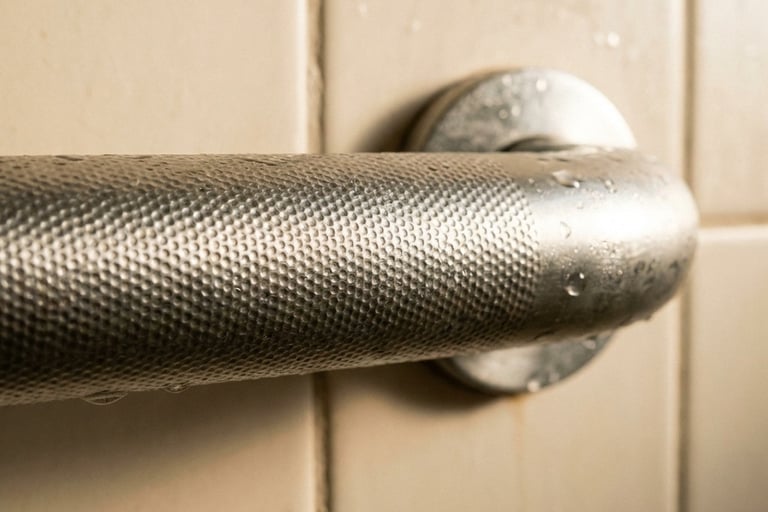
1) A non-slip grip (especially with wet hands)
Bathrooms are wet. Hands get soapy. Look for a bar with a surface that stays easy to hold even when damp—this can be subtle texture or a finish that isn’t overly slick.
2) The right length for real movement
A grab bar isn’t just a “handle.” It’s something you may slide your hand along as you move.
In general:
Short bars can help with a specific reach point.
Longer bars provide more continuous support during transitions.
If you’re unsure, longer support is often more forgiving because it gives you more “catch points.”
3) Rust-resistant material
Bathrooms are humid. Choose a material designed to resist corrosion and stay stable over time.
4) A strong weight rating and solid build
Grab bars should feel like part of the wall—stable, rigid, and trustworthy. If the bar looks thin or flexes, it’s not the right choice for fall prevention.
What to avoid (this is where people get hurt)
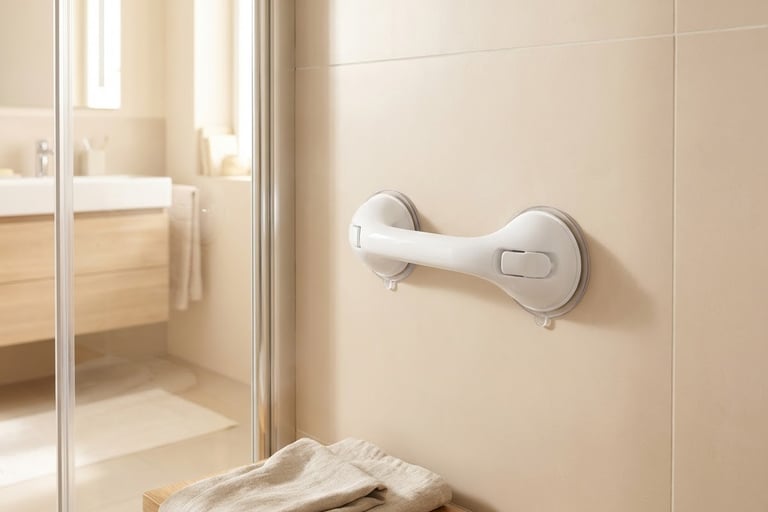
1) Suction grab bars as a primary safety device
Suction bars can be useful for travel or temporary situations, but bathrooms get steamy, surfaces get soapy, and suction can fail. If you’re at real fall risk, a suction bar can create false confidence.
A safe rule: if you plan to “trust your full weight” to it in an emergency, it should be properly mounted.
2) Towel racks, toilet paper holders, or glass as “support”
These aren’t designed to hold body weight. In a slip, people reach for what’s closest—so it’s better to have a real support exactly where your hand naturally goes.
3) Bars installed with poor anchors or into weak surfaces
Even a great bar can fail with poor installation. If you’re unsure about installation, it’s worth getting help—because the whole point is reliability.
Where grab bars help most (the 3 danger moments)
Even without a full “placement guide,” you can think in terms of the moments when balance is most likely to be challenged:
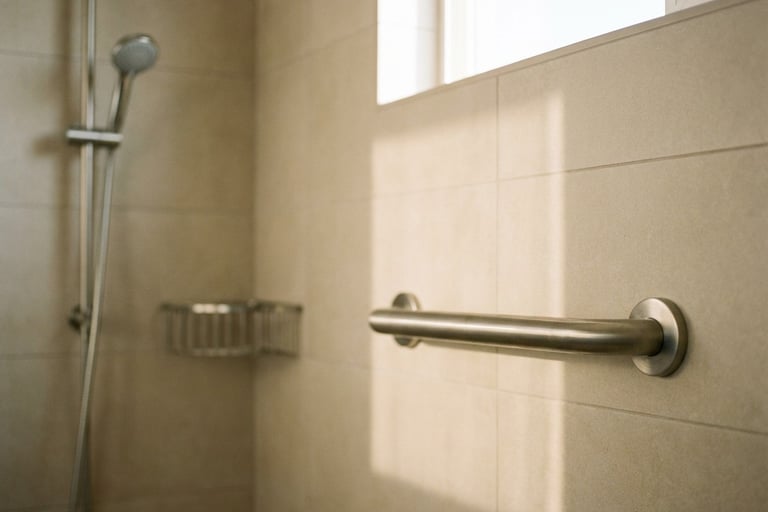
Entering/exiting the shower or tub
Turning while wet (reaching for shampoo, pivoting for a towel)
Standing up / sitting down (especially near the toilet)
If your bathroom has only one grab bar, place it where you need it most—where your body transitions and your balance is most vulnerable.
(I’ll add a full placement guide soon and link it here.)
A simple “grab bar readiness” test
Ask yourself this one question:
If I slipped right now, what would I grab?
If the answer is:
the towel rack
the sink edge
the shower door
the toilet paper holder
…then you already know where a properly installed grab bar should go.
The warm, practical buying approach (no overwhelm)
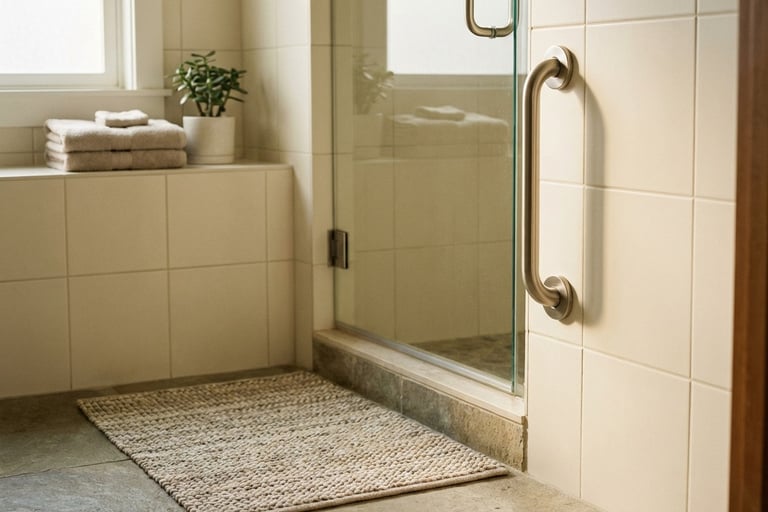
You don’t need to turn your bathroom into a medical clinic. Many modern grab bars look clean and subtle, and they can actually blend into a beautiful bathroom.
Focus on:
stability (no flex, no wobble)
grip (works when wet)
smart placement (where your hand naturally reaches)
That’s the winning combination.
Quick safety note about installation (without the stress)
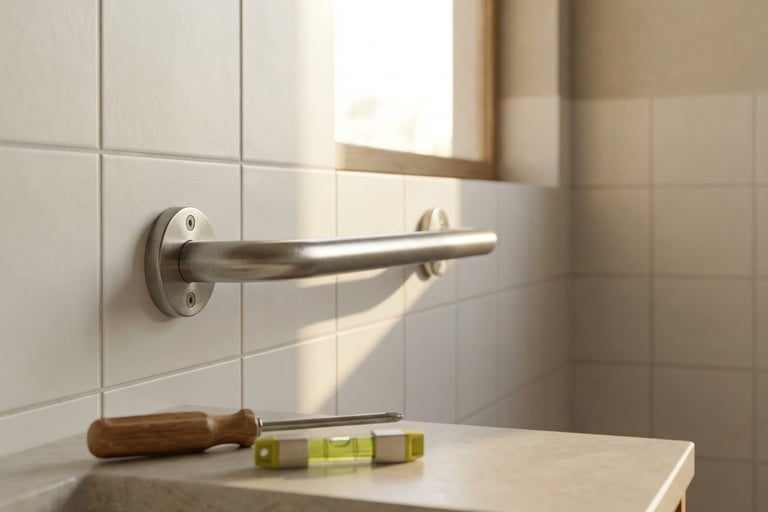
If you’re confident with tools, follow the manufacturer instructions carefully and prioritize secure mounting. If you’re not confident, hiring help for a proper install is often one of the best safety investments you can make—because it’s a one-time job that protects you daily.
Related Bathroom Safety Guides
Affiliate disclosure : Some links on this page may be affiliate links. If you purchase through them, I may earn a small commission at no extra cost to you.
Help
Questions about senior health? Reach out.
Contact
Subscribe
Contact@gyguru.com
© 2025. All rights reserved.