
Most bathroom falls don’t happen during something dramatic. They happen during something ordinary—stepping out of the shower with wet feet, turning to grab a towel, standing up from the toilet when your legs feel a little tired. One second you’re fine… and the next second, the floor feels like it moved.
If you’re a senior who wants to stay independent—or a caregiver who wants peace of mind—this guide is for you. We’re going to walk through the bathroom the way you actually use it in real life: from the doorway, to the sink, to the toilet, to the shower. And we’ll focus on fixes that are practical, affordable, and powerful—because the goal isn’t to “baby-proof” your home. The goal is confidence.
Why this matters: falls are one of the biggest threats to safe aging in place. In the U.S., over 14 million (about 1 in 4) adults age 65+ report falling each year (CDC). And in 2021 alone, U.S. emergency departments recorded nearly 3 million visits for older adult falls (CDC). In Canada, national reporting has documented that fall mortality rates among people 65+ increased substantially over time (2001–2019) (Government of Canada). The good news? Many bathroom falls are preventable—and small changes can make a big difference.
Why the Bathroom Is the
“High-Risk Room”
Bathrooms combine the perfect storm:
Water + slick surfaces
Hard fixtures (tub edges, faucets, tile, toilet porcelain)
Tight turns in a small space
Transitions (sit-to-stand, step-over, turning while wet)
Rushing (especially at night)
If you do nothing else, remember this: most falls happen during transitions, not when you’re standing still. Our job is to make those transitions safer.
The 7 Biggest Bathroom
Fall Hazards
(and the Fix for Each)
1) Wet floors that feel “fine”… until they don’t
A bathroom floor can look dry and still be slippery—especially with soap film or humidity.
Fixes that work:
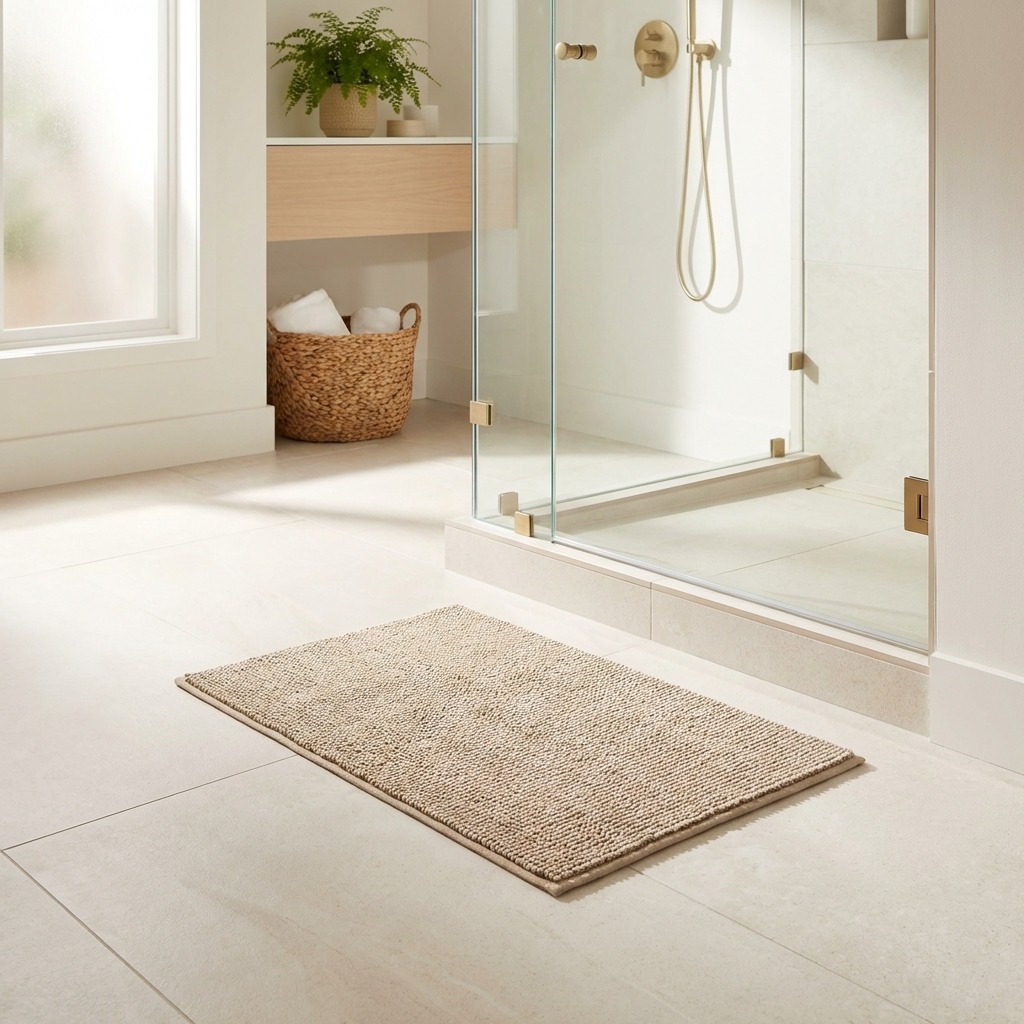
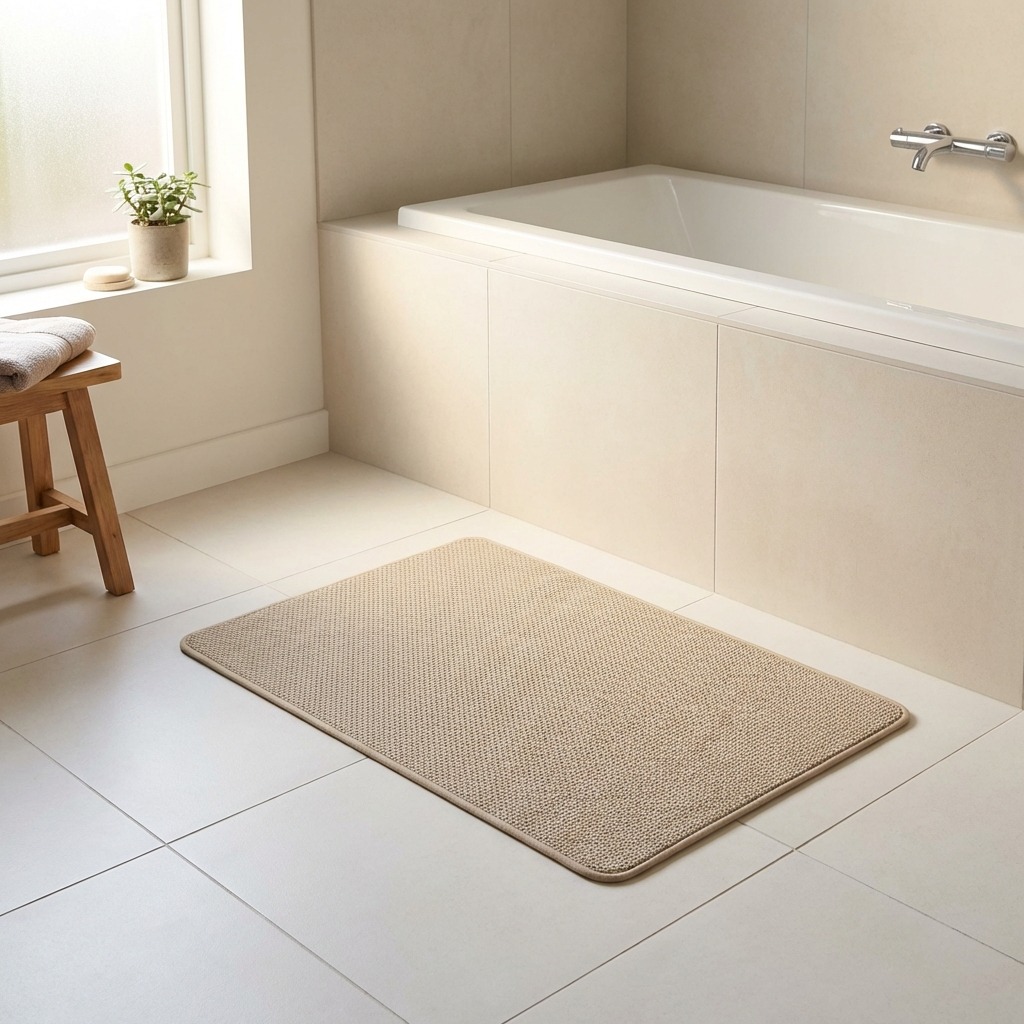
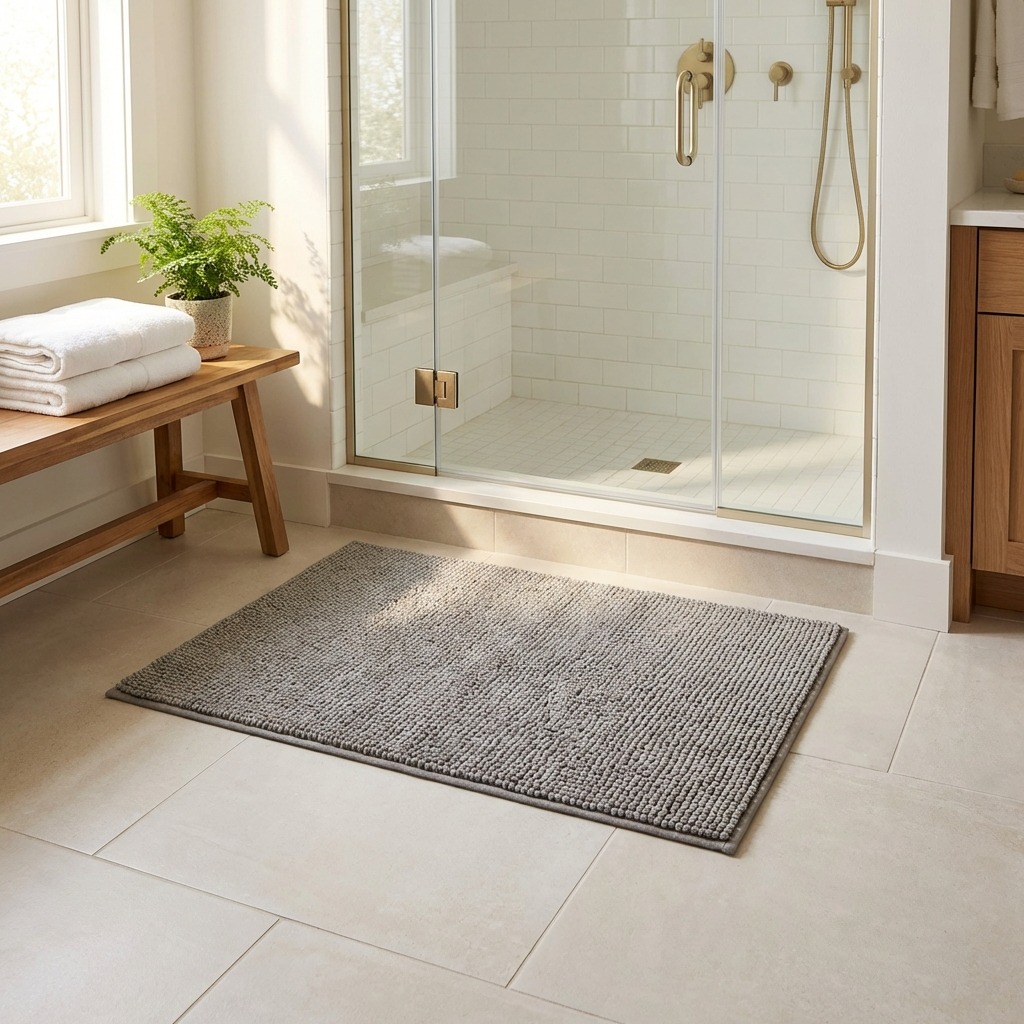
Place a non-slip mat outside the shower/tub where feet land first.
Use non-slip surfaces inside the tub/shower.
Keep a towel within reach so you’re not dripping across the room.
Golden Years Guru rule: one mat where you stand to dry off beats three mats scattered around.
2) Stepping into/out of the tub or shower
This is a top danger moment because your weight shifts, one foot is often wet, and you’re stepping over a threshold.
Fixes that work:
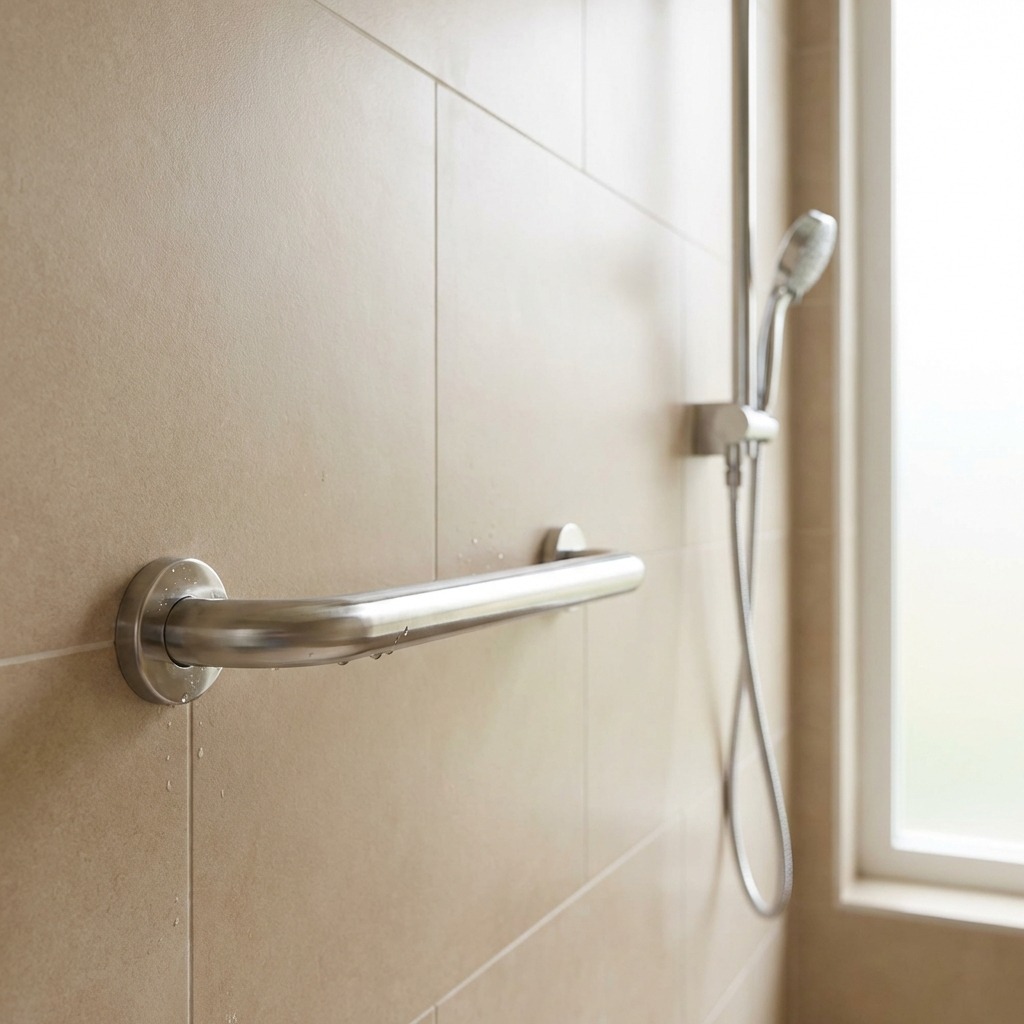
Install properly mounted grab bars (details below).
Consider a transfer bench if stepping over the tub edge feels risky.
Keep the entry/exit zone clear—no baskets, no stools “temporarily” parked.
3) Standing up from the toilet (the “quiet struggle”)
People often don’t talk about it, but this is a common wobble point—especially with tired legs, knee pain, or dizziness.
Fixes that work:
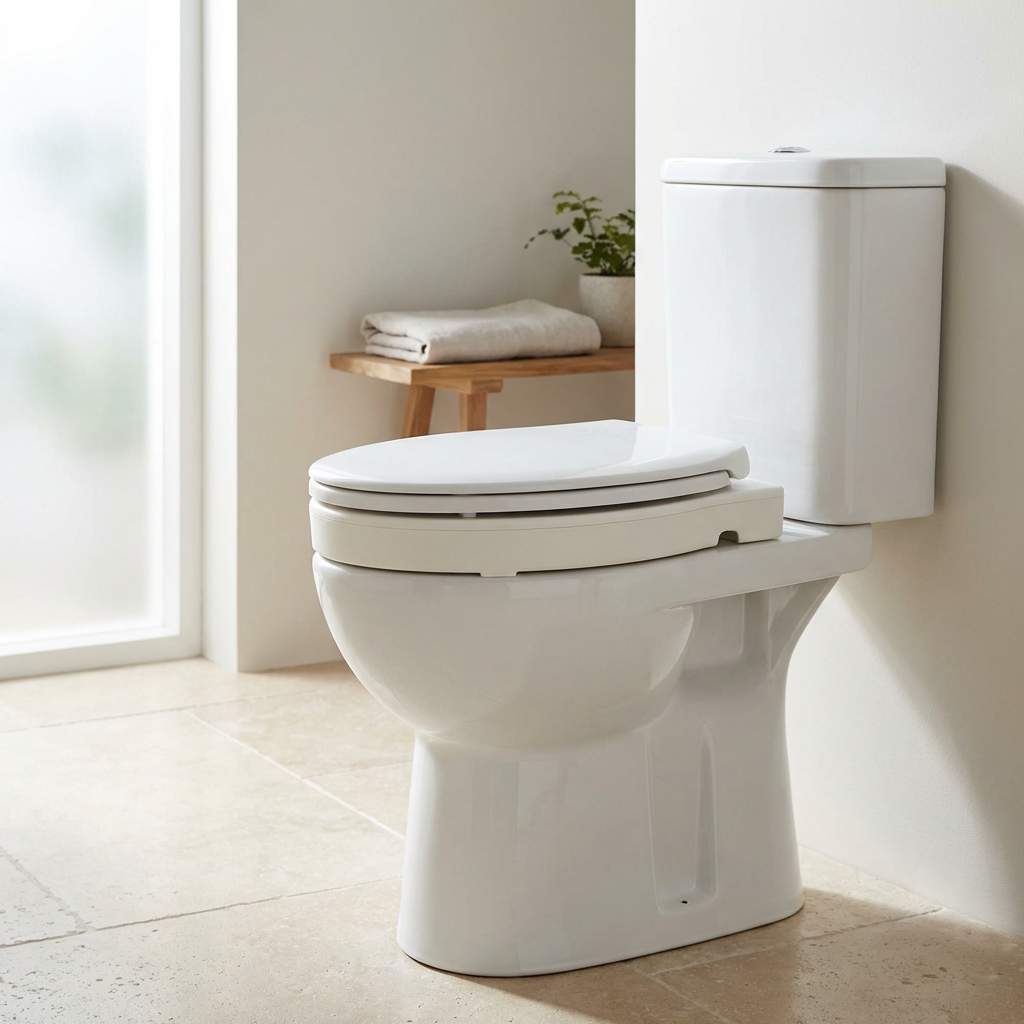
A toilet riser can reduce the distance you have to stand.
Add stable support where your hands naturally reach.
Use the “nose over toes” technique: lean slightly forward before pushing up.
4) Poor lighting (especially nighttime bathroom trips)
Night falls aren’t always about clumsiness—they’re about low visibility + sleepiness + urgency.
Fixes that work:
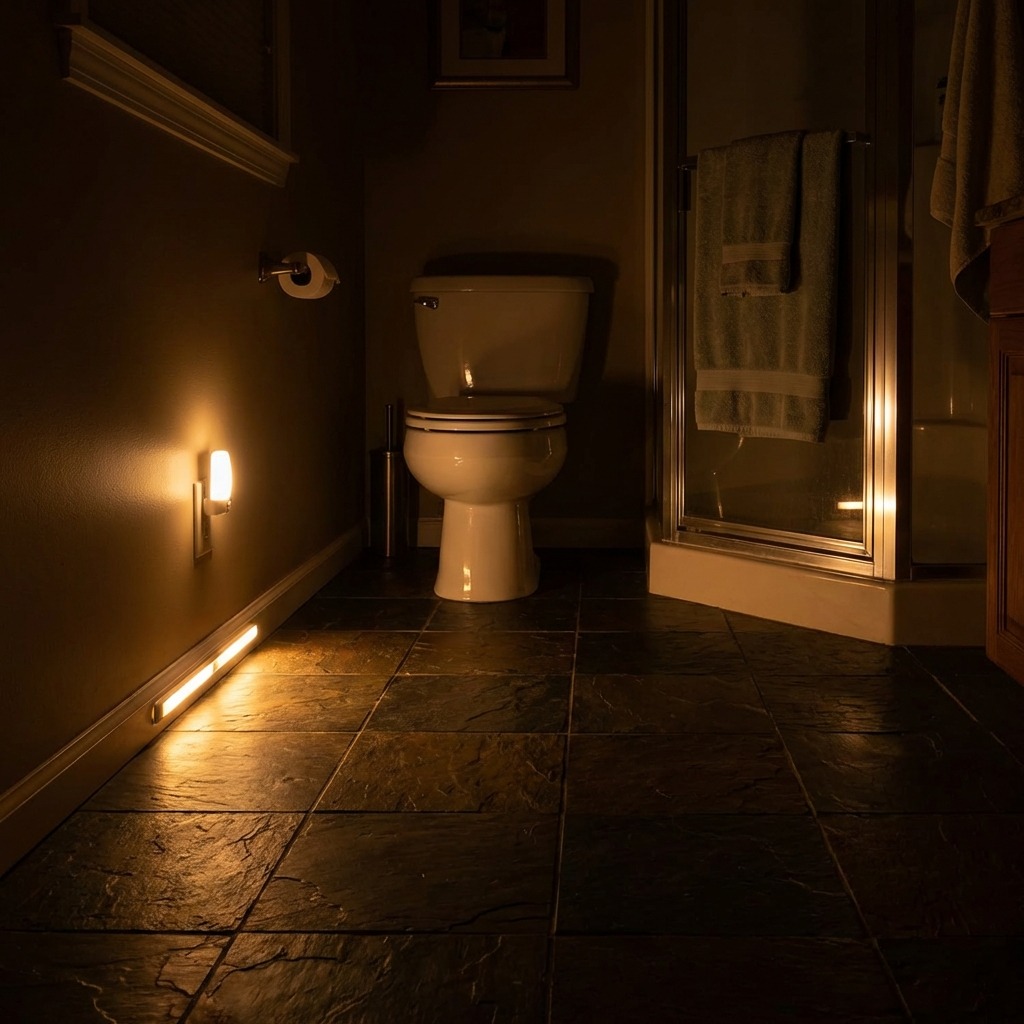
Use motion-sensor night lights along the path to the bathroom.
Add a low light near the toilet area.
Use brighter bulbs that improve clarity without harsh glare.
5) Clutter and “reach strain”
Reaching for towels, twisting to grab shampoo, or bending to pick something up can trigger a balance loss.
Fixes that work:
Keep everyday items between waist and shoulder height.
Use a shower caddy that doesn’t require twisting.
Remove anything that forces you to stretch and balance at the same time.
6) Slippery footwear (or no footwear)
Bare feet can slip more than people expect on some surfaces, and flimsy slippers can be worse than nothing.
Fixes that work:
Wear supportive, non-slip indoor footwear if you’re unsteady.
Avoid slick socks on tile.
7) “Off days” (fatigue, meds, dizziness, low blood pressure)
Some days you feel solid; other days you don’t. That’s normal—and it’s exactly why safety upgrades matter.
Fixes that work:
If dizziness is frequent, consider talking with a clinician about meds and hydration.
Add supports (bars, lighting, seating) so the bathroom is safe even on off days.
Grab Bars: What to Buy, What to Avoid, and Why They Matter
Grab bars are one of the highest-impact safety upgrades because they give you a stable point of support when balance is compromised.
Important: if you’re at real fall risk, treat suction grab bars as temporary helpers—not primary safety devices. Bathrooms get steamy, surfaces get soapy, and suction can fail.
Placement matters as much as the bar itself
A bar that’s too far away is basically décor. Place bars where your hand naturally reaches during transitions: entry/exit, turning, and sit-to-stand.
Shower Seating: Shower Chair vs Transfer Bench (Which Is Safer?)
A shower seat can be a game-changer—if it matches the risk.
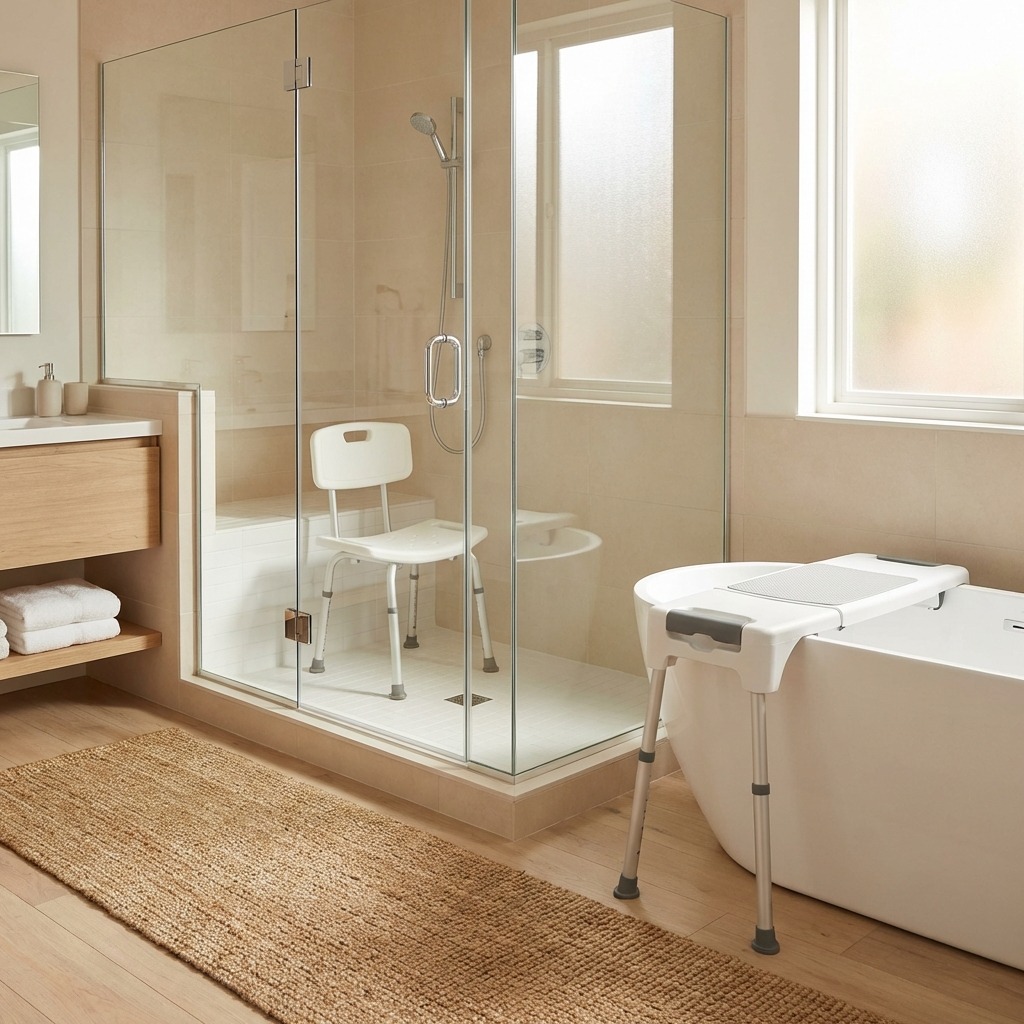
A shower chair is used inside the shower: you step in first, then sit. A transfer bench lets you sit first outside the tub and slide/transfer in—often safer if stepping over the tub edge is the risky part.
Floors & Mats: The Simple System That Prevents Slips
You don’t need a dozen products. You need a simple, consistent system:
Inside the shower/tub: non-slip surface (mat or strips)
Outside the shower/tub: one reliable non-slip mat where feet land
Drying routine: towel within reach so water doesn’t travel across the room
Soap film builds up slowly and can reduce traction. A quick weekly clean can make a bigger difference than people realize.
👉 [Click Here]: Best Non-Slip Bathroom Mats for Seniors
Toilet Safety Setup
If the toilet is low, you’re asking your knees and hips for more effort. When strength is limited, effort becomes wobble.
Consider:
Toilet riser (reduces the stand distance)
Support strategy based on layout (bar/frame)
Remember: don’t yank yourself up. Lean forward slightly, plant feet flat, and rise with control.
Lighting That Prevents Night Falls (the “Quiet Hero”)
Lighting is one of the cheapest upgrades with big payoff.
A safe setup often includes:
A motion light in the hallway path
A night light near the toilet area
Clear, comfortable lighting that improves visibility without harsh glare
You don’t want to wake up fully to be safe. You want the bathroom to be safe even half-asleep.
The 10-Minute Bathroom Safety Walkthrough (Do This Today)
Walk your bathroom like a safety inspector—calmly, step by step.
Step 1: The doorway
Is the entry clear?
Any threshold that catches toes?
Can you reach a light quickly?
Step 2: The sink zone
Are daily items easy to reach without bending?
Is the floor often wet here?
Is there a towel location that avoids turning while dripping?
Step 3: The toilet zone
Can you stand without rocking?
Do you need a riser?
Is there stable support where your hands naturally reach?
Step 4: The shower/tub zone (highest priority)
Where do your feet land when you step out?
Do you have a non-slip surface inside?
If you had to steady yourself suddenly, what would you grab?
If the honest answer is “the towel rack”… let’s upgrade that before the bathroom tests you.
Printable Checklist
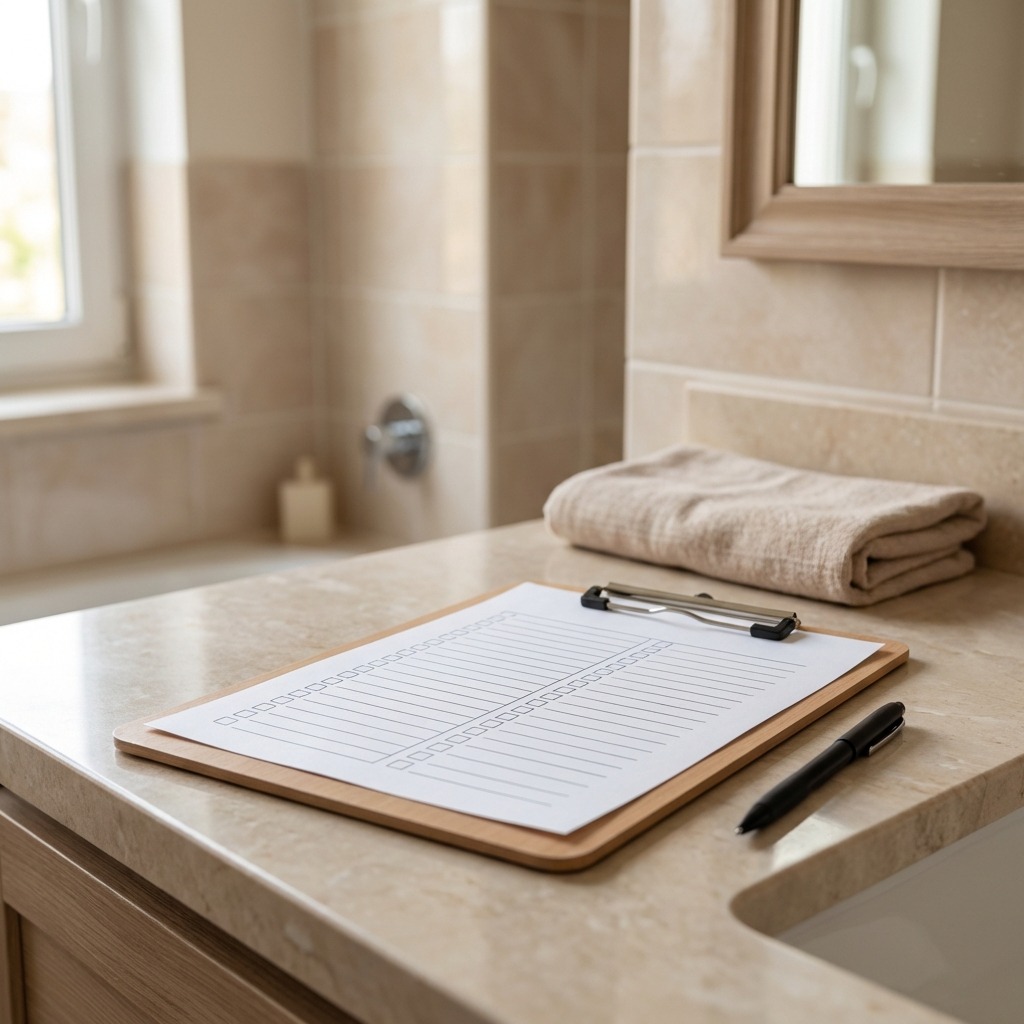
If you want a simple next step, use the printable checklist to walk through the bathroom and mark your top 3 fixes.
👉 [Click Here] Printable Senior Bathroom Safety Checklist
FAQ
Where should grab bars be placed in a shower?
Place them near the entry/exit, where you turn/reach, and where you sit/stand if using a seat. The best placement is where your hand naturally reaches during those transitions.
Are suction grab bars safe?
They can help temporarily, but for real fall risk, rely on properly installed bars. A bar must hold when you suddenly need full support.
What’s safer: a shower chair or transfer bench?
If stepping over the tub edge feels risky, a transfer bench is often safer because you can sit first and transfer. A shower chair can work well in walk-in showers or when stepping in is stable.
What’s the best non-slip solution for tile?
Use a reliable non-slip mat where you step out, and maintain the surface (soap film can increase slipping). Inside the shower/tub, use a non-slip surface designed for wet conditions.
Do toilet risers help prevent falls?
They can help by reducing the effort needed to stand—especially with knee/hip limitations. Pair them with stable support where your hands naturally reach.
What’s the best lighting for nighttime bathroom trips?
Motion-sensor lights along the path + a low night light near the toilet area often work best because they reduce the dark + sleepy + urgency combo.
A Warm Reminder (and a Safety Disclaimer)
Everything here is meant to be practical and empowering—not scary. Most people don’t need a full renovation. They need a few smart upgrades that remove the “one bad second” from daily routines.
This guide is educational and not medical advice. If dizziness, faintness, or sudden weakness is common, consider discussing it with a qualified clinician.
References (Selected)
CDC — Older Adult Falls: https://www.cdc.gov/falls/
Government of Canada — Falls surveillance report: https://www.canada.ca/en/public-health/services/publications/healthy-living/surveillance-report-falls-older-adults-canada.html
Government of Canada Health Infobase — Falls among older adults: https://health-infobase.canada.ca/falls-in-older-adults/
National Institute on Aging — Falls prevention: https://www.nia.nih.gov/health/falls-and-falls-prevention/falls-and-fractures-older-adults-causes-and-prevention
Related Bathroom Safety Guides
Bathroom Safety for Seniors: The Complete Fall-Prevention Guide for Aging in Place

Watch My Video "Your Bathroom Is More Dangerous Than You Think -7 Reasons Why"
Help
Questions about senior health? Reach out.
Contact
Subscribe
Contact@gyguru.com
© 2025. All rights reserved.